
A successful transition from a skilled nursing facility to the community requires early planning, coordinated care, and the right support. By identifying potential barriers before discharge, care teams can help residents return home safely and maintain their independence.
Start Planning Early
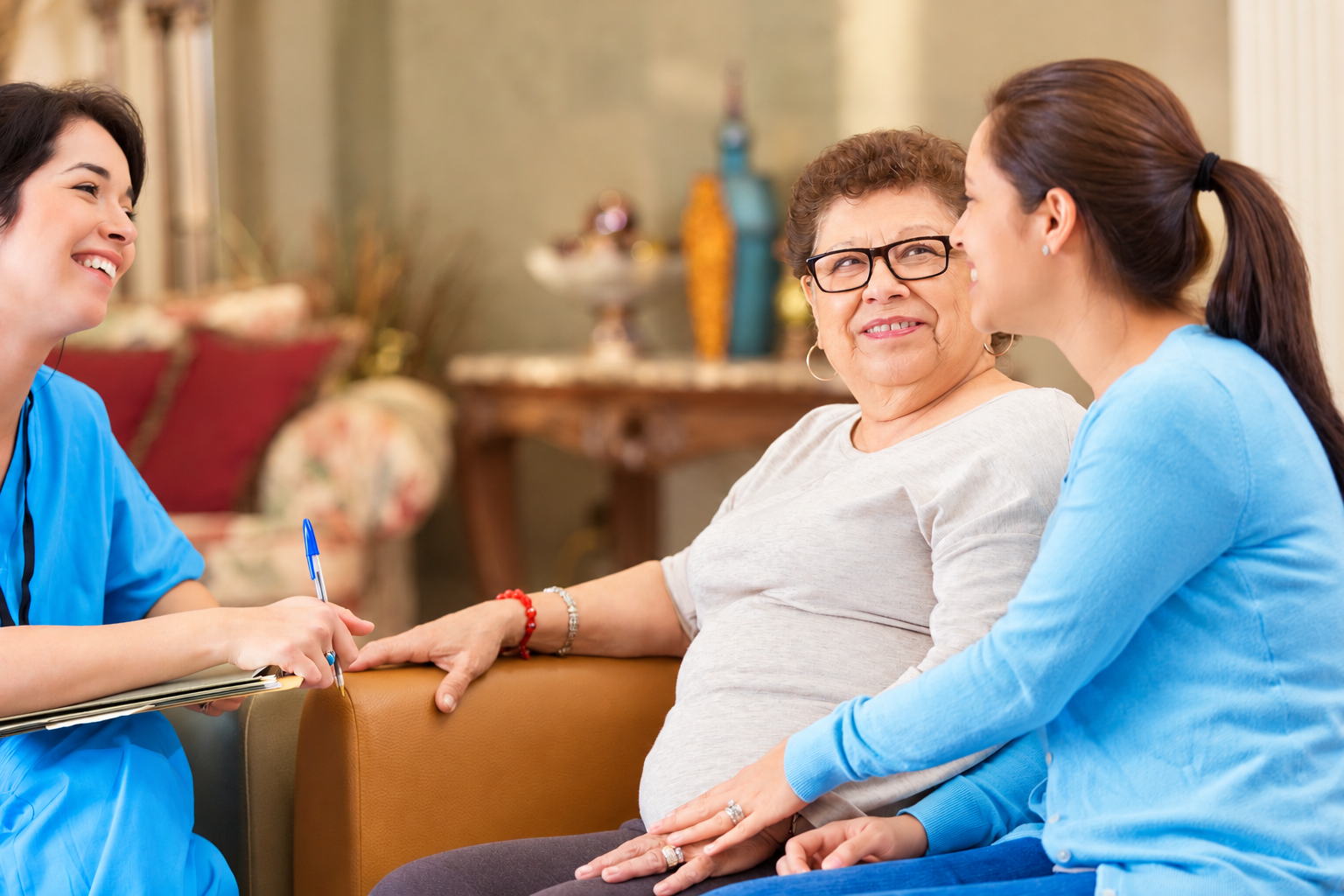
Discharge planning should begin at admission. Early preparation gives care teams time to assess resident needs, establish goals, and arrange necessary services, equipment, and caregiver support.
Including residents and families in planning helps set realistic expectations and prepares them for the transition home.
Coordinate Care Across Disciplines
Successful transitions depend on collaboration among nursing, therapy, social services, physicians, residents, and caregivers. Each contributes valuable insight into the resident's medical needs, functional abilities, and ongoing support requirements.
Clear communication helps teams coordinate follow-up care, arrange community resources, and reduce gaps in support after discharge.
Use Functional Assessments to Guide Readiness
Medical stability is only one part of discharge readiness. Residents must also be able to manage daily activities safely, independently or with assistance.
Functional assessments evaluate mobility, balance, cognition, communication, and activities of daily living (ADLs). These findings help teams identify challenges, establish goals, and determine whether adaptive equipment, home modifications, or additional support may be needed.
The Role of Therapy in Successful Transitions
Physical, occupational, and speech therapy help residents develop the skills needed for a safe return to the community.
Physical therapy (PT): Improves strength, balance, endurance, and mobility through targeted exercises, gait training, and transfer practice.
Occupational therapy (OT): Supports daily activities such as bathing, dressing, and meal preparation while identifying adaptive equipment and strategies to improve independence.
Speech therapy: Addresses communication, cognitive-communication, and swallowing needs to help residents manage daily routines and follow recommended safety strategies.
Therapists can also educate caregivers on safe assistance techniques and strategies for supporting residents at home.
Prepare for a Safe Return Home
Before discharge, care teams should confirm that residents and caregivers understand the care plan and have the necessary resources.
Key steps include practicing daily activities, arranging equipment and follow-up services, communicating care instructions, and reviewing whom to contact with questions or concerns.
Facilities can also review community discharge rates, readmissions, and resident feedback to identify opportunities to improve their discharge processes.
Support Better Transitions With HAP
Effective discharge planning combines early preparation, interdisciplinary collaboration, and individualized therapy. Addressing barriers before discharge helps skilled nursing facilities better prepare residents for life at home.
Health Advisory Partners (HAP) helps post-acute care providers strengthen clinical operations and identify opportunities for improvement through industry expertise, technology, and personalized guidance.
Ready to strengthen your clinical operations? Connect with HAP to explore how personalized support can help your organization advance its goals.